Las Palmas
Canary Islands

Property in Las Palmas, Spain — Buy by the Sea

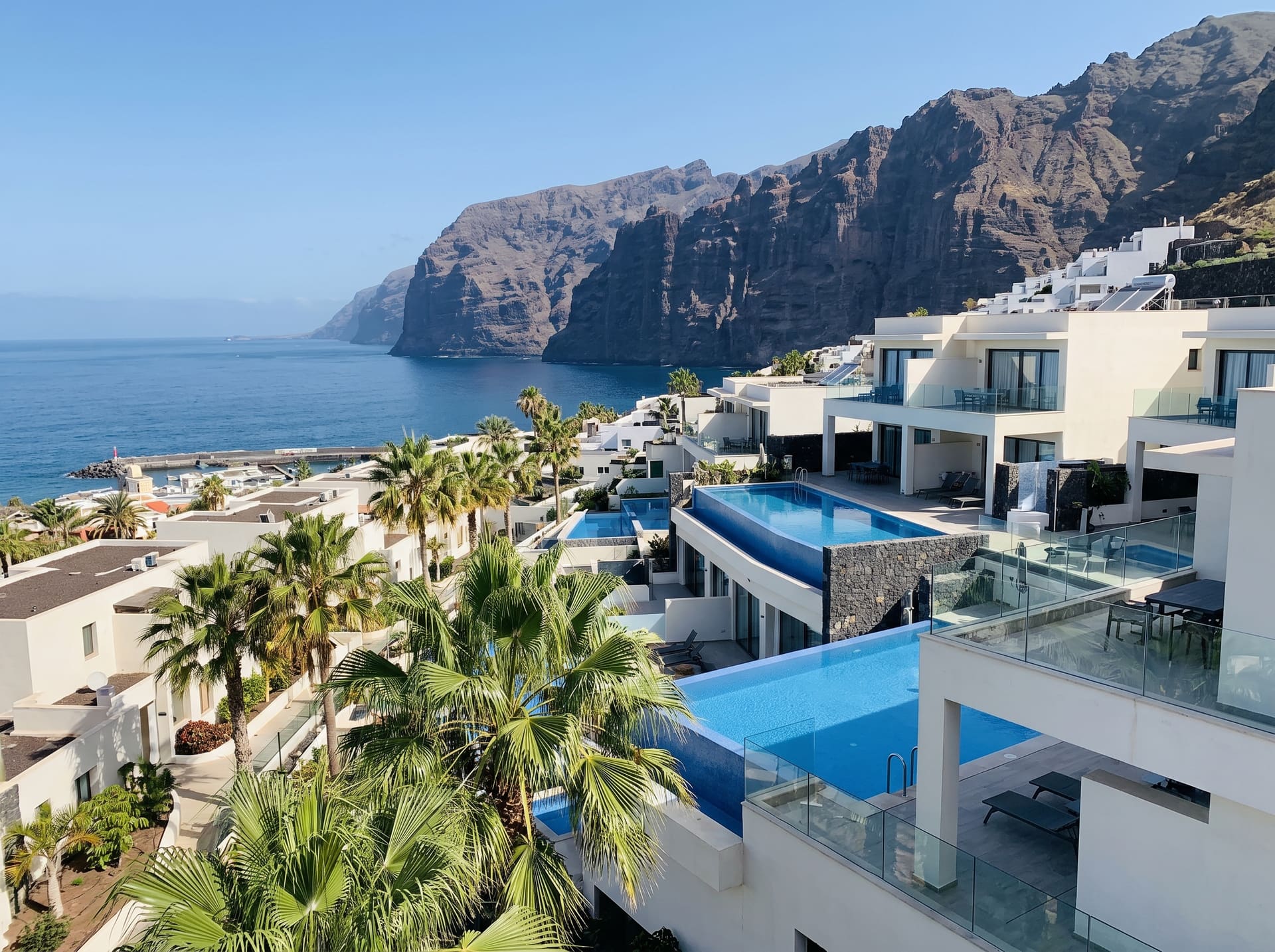
The province of Las Palmas is Gran Canaria, the Canaries’ second-most-popular island and a true “continent in miniature”. Buying by the sea here means the island’s south, where Maspalomas beaches and dunes draw visitors year-round: 6 new-builds across 1 locations.
Market snapshot

Price per m²
€3,348–€5,883
Rental yield
4.5–6.9%
Developments
6
Cities
1

The same year-round climate as Tenerife but a touch cheaper: €/m² of €3,348–€5,883 with yields up to 6.9%.

Cities in Las Palmas

Las Palmas cities on the map

Top new-builds in Las Palmas

Sorted by estimated rental yield.

Why invest in Las Palmas

The Maspalomas dunes, a steady Northern-European flow and no winter vacancy make the island a dependable rental-income asset.

Who it suits

Gran Canaria suits the investor who wants Canarian year-round letting at a lower entry price than Tenerife.

Transport and airports

Gran Canaria airport (LPA) takes international flights year-round, especially from Northern Europe. It is about 30 minutes from the airport to the southern resorts (Maspalomas, Playa del Inglés) via the GC-1 motorway, which links the capital Las Palmas to the island’s south.

Regional tax specifics

The region is the Canary Islands with a favourable tax regime: a local IGIC instead of 21% VAT (usually 6.5–7%) and resale ITP around 6.5% — among the country’s lowest. Turnkey costs are lower than on the mainland — check them in the costs calculator.

Estimate purchase costs

Safety: Las Palmas

Official Spanish Ministry of Interior statistics — registered offenses per 1,000 inhabitants.

Las Palmas province
48.7per 1,000 inhabitants
Spain average
51.0per 1,000 inhabitants

Spain is among the safest countries in Europe. Tourist provinces look higher on paper: offenses involving millions of visitors are divided only by the registered population. Most incidents are petty theft in high season; violent crime is rare.

Source: Ministerio del Interior, Balance de Criminalidad 2024.

Frequently asked questions

How does Gran Canaria differ from Tenerife?

The climate and letting logic are similar — all year, no dead season — but the entry price on Gran Canaria is usually lower. There are 6 new-builds here from €382,000 to €1,168,000.

What rental yield does Gran Canaria offer?

Yield in Las Palmas province reaches 6.9%. The island’s south (Maspalomas, Playa del Inglés) hosts tourists winter and summer, keeping occupancy high.

Where on Gran Canaria should I buy to rent?

The main rental demand is in the island’s south, by the Maspalomas beaches and dunes. That is where the holiday-let new-builds in our selection are concentrated.

How do I get to Gran Canaria?

Gran Canaria airport, on the island’s east coast, takes direct flights from most major European cities — with particularly strong coverage from Germany, Scandinavia and the UK — and also handles inter-island hops. The southern resorts of Maspalomas and Playa del Inglés are linked to the airport by motorway.

When is high season for rentals on Gran Canaria?

Formally, winter: that is when Northern Europeans fly in for the sun and the island’s south runs at its fullest. The rest of the year holds up too — summer is supported by Spanish and family tourism — so letting works across all twelve months without pronounced dips.

Related links

Compare with other regions