Las Palmas
Canary Islands

Immobilier en Las Palmas, Espagne — Acheter en Bord de Mer

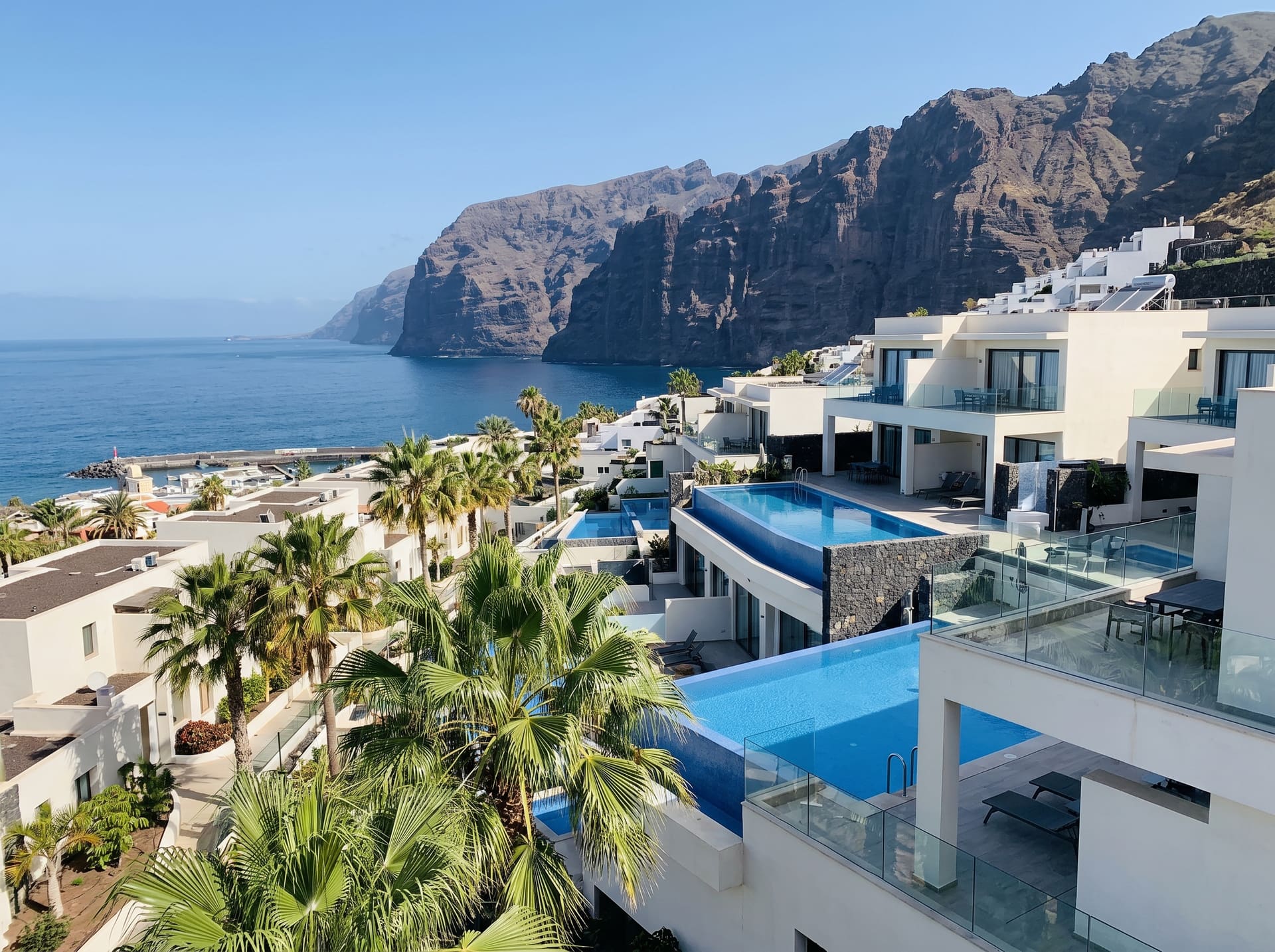
The province of Las Palmas is Gran Canaria, the Canaries’ second-most-popular island and a true “continent in miniature”. Buying by the sea here means the island’s south, where Maspalomas beaches and dunes draw visitors year-round: 6 new-builds across 1 locations.
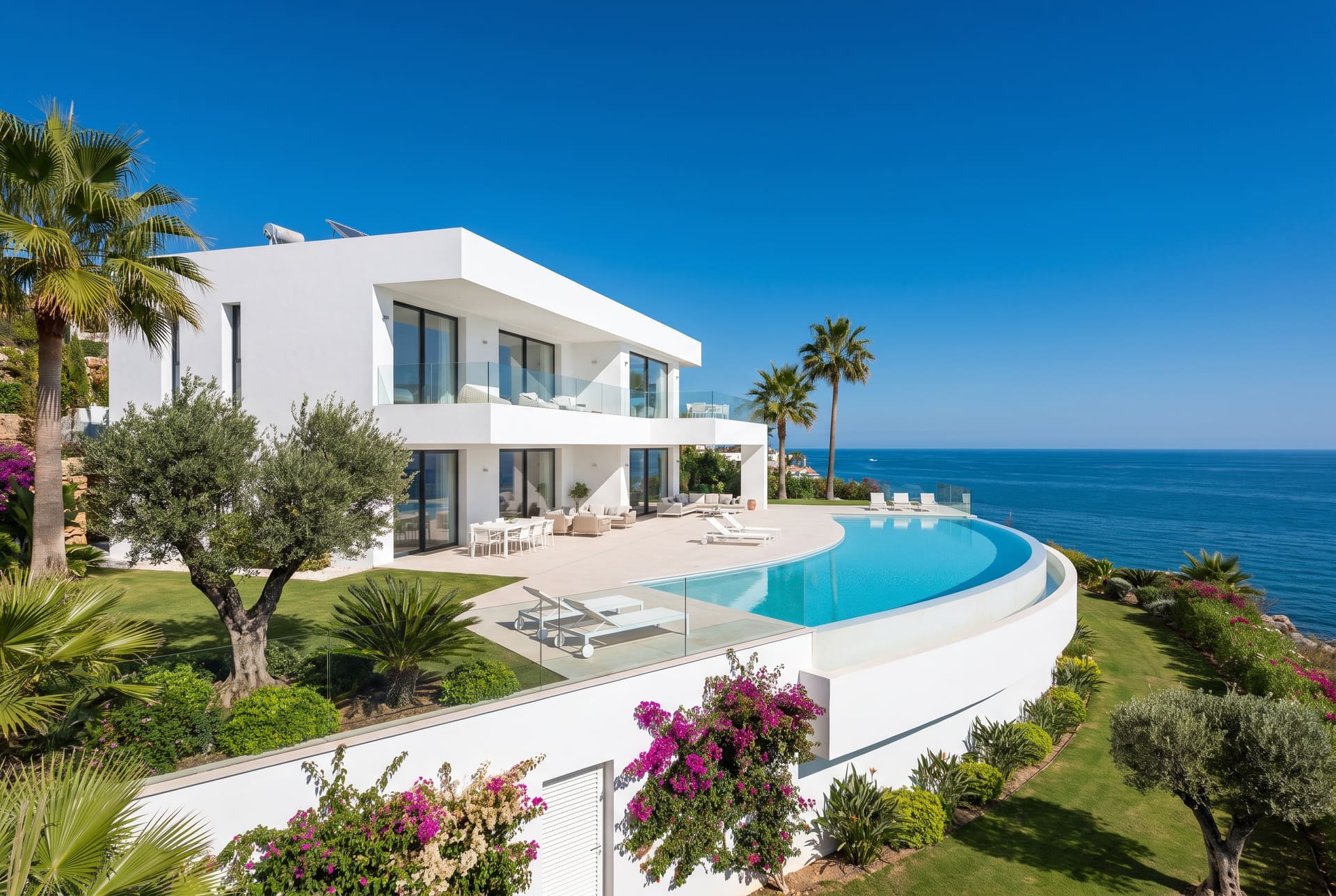
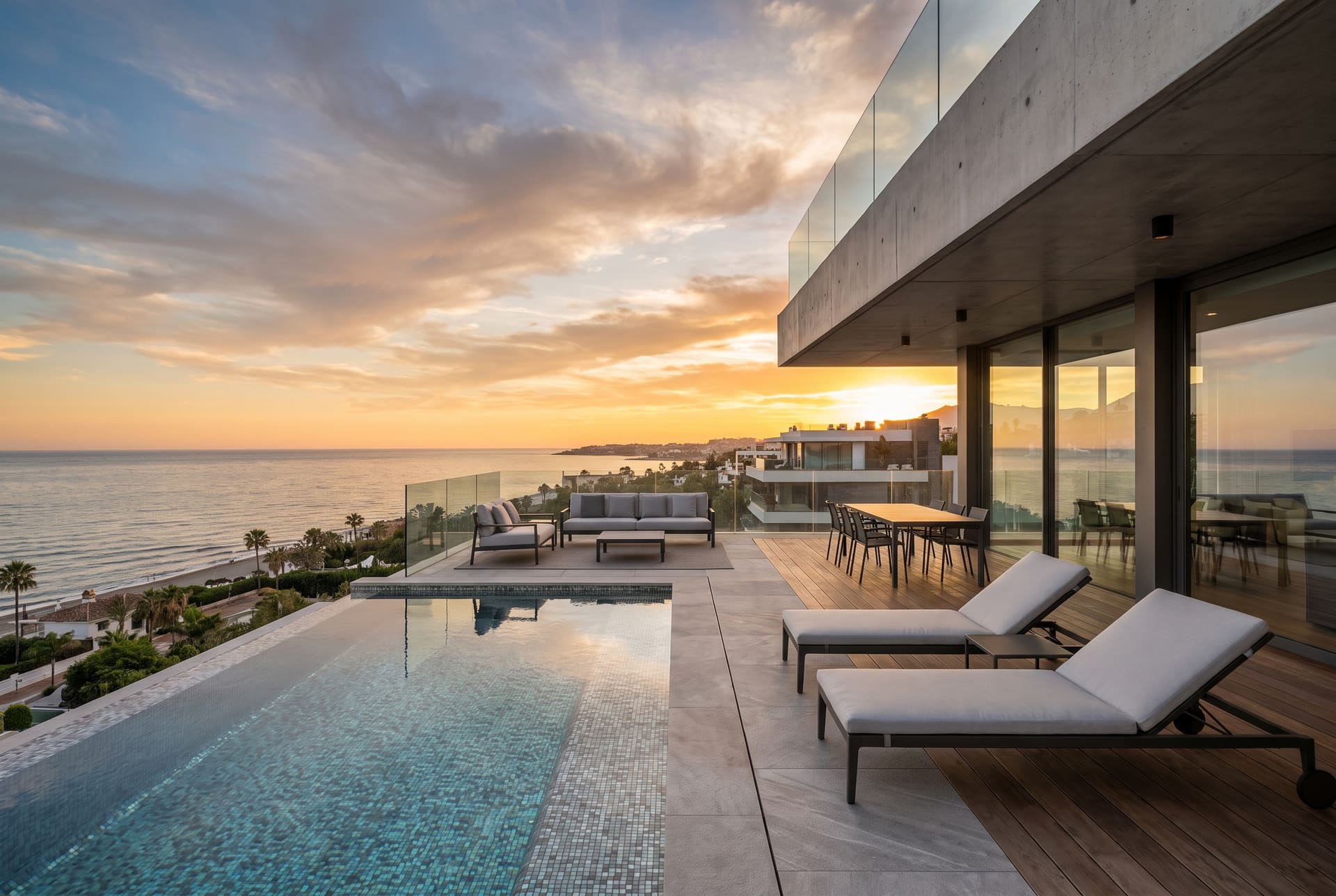
Aperçu du marché

Prix au m²
€3,348–€5,883
Rendement locatif
4.5–6.9%
Programmes
6
Villes
1

The same year-round climate as Tenerife but a touch cheaper: €/m² of €3,348–€5,883 with yields up to 6.9%.

Villes en Las Palmas

Les villes de Las Palmas sur la carte

Meilleurs programmes neufs en Las Palmas

Triés par rendement locatif estimé.

Pourquoi investir en Las Palmas

The Maspalomas dunes, a steady Northern-European flow and no winter vacancy make the island a dependable rental-income asset.

À qui cela convient

Gran Canaria suits the investor who wants Canarian year-round letting at a lower entry price than Tenerife.

Transports et aéroports

Gran Canaria airport (LPA) takes international flights year-round, especially from Northern Europe. It is about 30 minutes from the airport to the southern resorts (Maspalomas, Playa del Inglés) via the GC-1 motorway, which links the capital Las Palmas to the island’s south.

Spécificités fiscales de la région

The region is the Canary Islands with a favourable tax regime: a local IGIC instead of 21% VAT (usually 6.5–7%) and resale ITP around 6.5% — among the country’s lowest. Turnkey costs are lower than on the mainland — check them in the costs calculator.

Estimer les frais d’achat

Sécurité : Las Palmas

Statistiques officielles du ministère espagnol de l’Intérieur — infractions enregistrées pour 1 000 habitants.

Province de Las Palmas
48.7pour 1 000 habitants
Moyenne de l’Espagne
51.0pour 1 000 habitants

L’Espagne est l’un des pays les plus sûrs d’Europe. Les provinces touristiques paraissent plus élevées sur le papier : les infractions impliquant des millions de visiteurs ne sont divisées que par la population recensée. Il s’agit surtout de petits vols en haute saison ; les crimes violents sont rares.

Source : Ministerio del Interior, Balance de Criminalidad 2024.

Questions fréquentes

How does Gran Canaria differ from Tenerife?

The climate and letting logic are similar — all year, no dead season — but the entry price on Gran Canaria is usually lower. There are 6 new-builds here from €382,000 to €1,168,000.

What rental yield does Gran Canaria offer?

Yield in Las Palmas province reaches 6.9%. The island’s south (Maspalomas, Playa del Inglés) hosts tourists winter and summer, keeping occupancy high.

Where on Gran Canaria should I buy to rent?

The main rental demand is in the island’s south, by the Maspalomas beaches and dunes. That is where the holiday-let new-builds in our selection are concentrated.

How do I get to Gran Canaria?

Gran Canaria airport, on the island’s east coast, takes direct flights from most major European cities — with particularly strong coverage from Germany, Scandinavia and the UK — and also handles inter-island hops. The southern resorts of Maspalomas and Playa del Inglés are linked to the airport by motorway.

When is high season for rentals on Gran Canaria?

Formally, winter: that is when Northern Europeans fly in for the sun and the island’s south runs at its fullest. The rest of the year holds up too — summer is supported by Spanish and family tourism — so letting works across all twelve months without pronounced dips.

Liens utiles

Comparer avec d’autres régions